Between 2015 and 2021, media outlets in Portugal lost 49% of their audience, according to the Obercom Statistical Communication Yearbook. The paid circulation of daily newspapers, for example, fell by 79% between 2004 and 2022.
The media companies that own the most prestigious newspapers — Impresa, Global Media Group and Público — suffered losses of more than 50% in their business volumes and revenues between 2007 and 2016, according to another study.
European funding, on the other hand, is also truly insufficient: between 2018 and 2024, journalism-focused projects received 42.2 million euros per year from the European Union. A negligible figure when set against what has been lost over the past decades.
In the same period, the trust of readers, viewers and listeners in the news fell by 12%: according to the Reuters News Report, in 2015, 66% of people living in Portugal trusted Portuguese journalism; in 2025, that number dropped to 54%.
In this context, despite the technological transformations journalism has undergone over the past decade, Portuguese media companies have not invested in the training of their reporters. According to a study by the Journalists' Union, the Casa da Imprensa and the Portuguese Press Association, 59% of journalists working in media outlets received no professional training whatsoever.
In this framework of vulnerability, it has been proven on numerous occasions that Portuguese journalism is at the mercy of very opaque interests. The obscure attempt by the World Opportunity Fund to take control of the Global Media Group was only the latest case.
This crisis strikes the Portuguese media landscape at precisely the moment when journalism is most needed and press freedom is under threat.
Investigative journalism never managed to take root in Portugal
Investigative journalism never truly took root in Portugal. A study conducted by the authors of this proposal showed that investigative journalism was largely absent from the coverage of the biggest financial scandal of the 21st century in Portugal, the collapse of Banco Espírito Santo. This was before Portuguese journalism entered the deep crisis described above.
Another piece of evidence pointing to the residual presence of investigative journalism in the country is the fact that Portugal is one of the few countries in Europe not represented in the Global Investigative Journalism Network, the largest and most prestigious investigative journalism network in the world. This network was created to support entities that, in response to the journalism crisis, established non-profit organisations to produce journalism delivering original and distinctive stories that, unfortunately, media companies have stopped funding.
If we also look at grants from the Journalism Fund, an essential organisation in the funding of investigative journalism in Europe, we see that Portugal, Portuguese journalists and the country's media outlets are practically absent.
The creation of an investigative journalism centre in Portugal can, however, lay the first foundations for beginning to reverse this cycle. The Portuguese Centre for Investigative Journalism (CPJI) aims to cultivate an environment where investigative journalism — a public good that the Portuguese market has never truly invested in — can flourish.
Following the model of the GIJN, which is growing investigative journalism around the world, CPJI aims to create spaces where this form of journalism — so essential to democracy — can thrive, and to place Portugal on the international map of investigative journalism.
At the core of the model we intend to follow is the articulation between academic research, with a scientific and professional training component, and professional journalism, specifically investigative journalism.
In countries like Portugal, where funding from national donors is very difficult to obtain, major national stories face great difficulty being investigated. The impossibility of securing European grants when the stories being investigated are strictly national (or primarily national) contributes to the residual presence of journalistic investigation in Portugal.
This constraint lies at the heart of our decision to form a collaborative network dedicated to the study, training and practice of investigative journalism.
CPJI wants to invest in the training of journalists and students
The main objective of this network will be the study of collaborative, cross-border, national and local investigative journalism, and, in parallel, combining academic research with investigative journalism and data journalism to produce distinctive content. Positioned between study and practice, the network will create a training hub to guide academic research by doctoral students working on investigative journalism.
These students will also be challenged to collaborate in the journalistic investigations we have underway. It is the objective of this training hub to design and implement investigative journalism training activities aimed at local journalists and journalism students at schools with journalism programmes located outside major urban centres.
At the level of studying and promoting investigative journalism, the network's objective is to create and develop databases to be shared with academia and the professional world, particularly with journalists working outside major centres, who are manifestly less equipped to embrace the challenges of investigative and data journalism.
CPJI's objectives
Produce rigorous, independent and high-quality investigative journalism, in partnership with academia;
Promote cross-border journalistic investigations;
Foster the academic study of investigative journalism, in conjunction with professional journalistic practice;
Create a doctoral fellowship for students committed to studying investigative journalism;
Foster the training of journalists and students in the methods and techniques of investigative journalism, particularly in the most innovative approaches;
Hold international investigative journalism conferences;
Create an award for the best investigative journalism work carried out in Portugal.
Network
A centre with these characteristics has never been tested in Portugal. But it has never been more necessary.
To place the country on the international map of investigative journalism and invest in the training of this journalistic practice essential to democracy, it is fundamental for CPJI to establish partnerships.
It was with this in mind that the centre established a protocol with ICNOVA, the research centre dedicated to the study of Communication Sciences at the Faculty of Social Sciences and Humanities of the Universidade Nova.
CPJI established a partnership with ICNOVA.
This partnership with the country's most prestigious research centre in Media and Journalism studies will allow us to recruit and integrate the best journalism students and, at the same time, stimulate the scientific development of this journalistic practice.
We will need, however, more support.
In a report published in 2025, Civitates, a consortium of 16 foundations supporting media that produce public interest journalism, was categorical. "Independent media cannot survive without philanthropic support," it concluded. "In an ideal world, independent media would be financially self-sustaining," it continued. "However, in the current political and economic climate, this is simply not feasible."
If we want to preserve the role of journalism in the service of the public and democracy in an increasingly polarised world, Civitates assesses, "philanthropy needs to rise to the challenge." "Philanthropic funders can offer unrestricted, long-term funding, fundamental for creating the stability and giving independent media the time and space to strengthen their business models in rapidly changing contexts, while producing high-quality journalism."
The first study to map non-profit journalistic organisations in Europe reaches a similar conclusion. The Journalism Value Project report, produced by Netzwerk Recherche, the German investigative journalism association, calls on funders to offer more structural funds, rather than, as is currently the case, providing that funding project by project. As one of the leaders of these organisations, interviewed for the study, put it: structural funding "allows us to focus more on editorial work, without worrying about making ends meet and without wasting time filling out forms for relatively modest funds. Project-by-project funding is an excessive burden and undermines the focus of journalistic work."
An investigative journalism centre that, together with academia, aims to produce quality, in-depth journalism that provides context and investigates, therefore needs financial stability.
A project of this kind requires an annual budget that allows for hiring a full-time person to manage the centre, funding reportages in various formats, covering the costs of a website and its web design, hiring freelancers and consultants, accessing newspaper subscriptions, investing in the centre's communications, and meeting any legal expenses.
We are inspired by the newsroom model of Columbia Journalism Investigations, the postgraduate journalism programme at Columbia University's Graduate School of Journalism. This programme hires newly graduated students and sets them to work in partnership with experienced journalists to produce high-impact investigative journalism, in collaboration with leading news organisations.
The alliance with traditional media is fundamental for investigative stories to reach the greatest possible number of viewers, readers and listeners.
Grupo Impresa will be CPJI's preferred partner. Through this partnership, CPJI's investigations can be broadcast on the prime-time news programme with the largest audience in Portugal, published in the country's most-read weekly newspaper, and distributed on the most listened-to podcast platform in the country.
Grupo Impresa will be CPJI's preferred partner.
To realise this model, which is simultaneously an academic training project and a professional journalism space, we will also need to offer doctoral fellowships to students wishing to study investigative journalism, in order to build a newsroom that brings these two dimensions together. CPJI will therefore need to plan its budget in four-year cycles, the duration of a doctorate.
Part of the revenues to realise this project could be raised through subscription or crowdfunding models. We are, however, aware of the many limitations of this form of fundraising.
The first limitation lies in the fact that Portugal consistently stands out in the Digital News Report as one of the countries with the lowest subscriber rates. In a country whose citizens have limited purchasing power, only Público and Expresso have a paid digital circulation of around 50,000. The remaining newspapers have a circulation below 6,000.
Compounding this problem, social media algorithms give increasingly less visibility to news content, which in itself makes fundraising very difficult — especially if the media outlet in question does not publish multiple pieces of content daily.
Finally, philanthropic funding accounts for at least half of the budgets of most of these journalistic organisations in Europe, which shows that news media are far from stabilising a viable business model.
The latest report from the Media Monitor for Democracy points to "low levels of social dynamism" as one of the main factors behind the underfunding of journalism in Portugal. CPJI was born to change this state of affairs. But it will only succeed with your support.
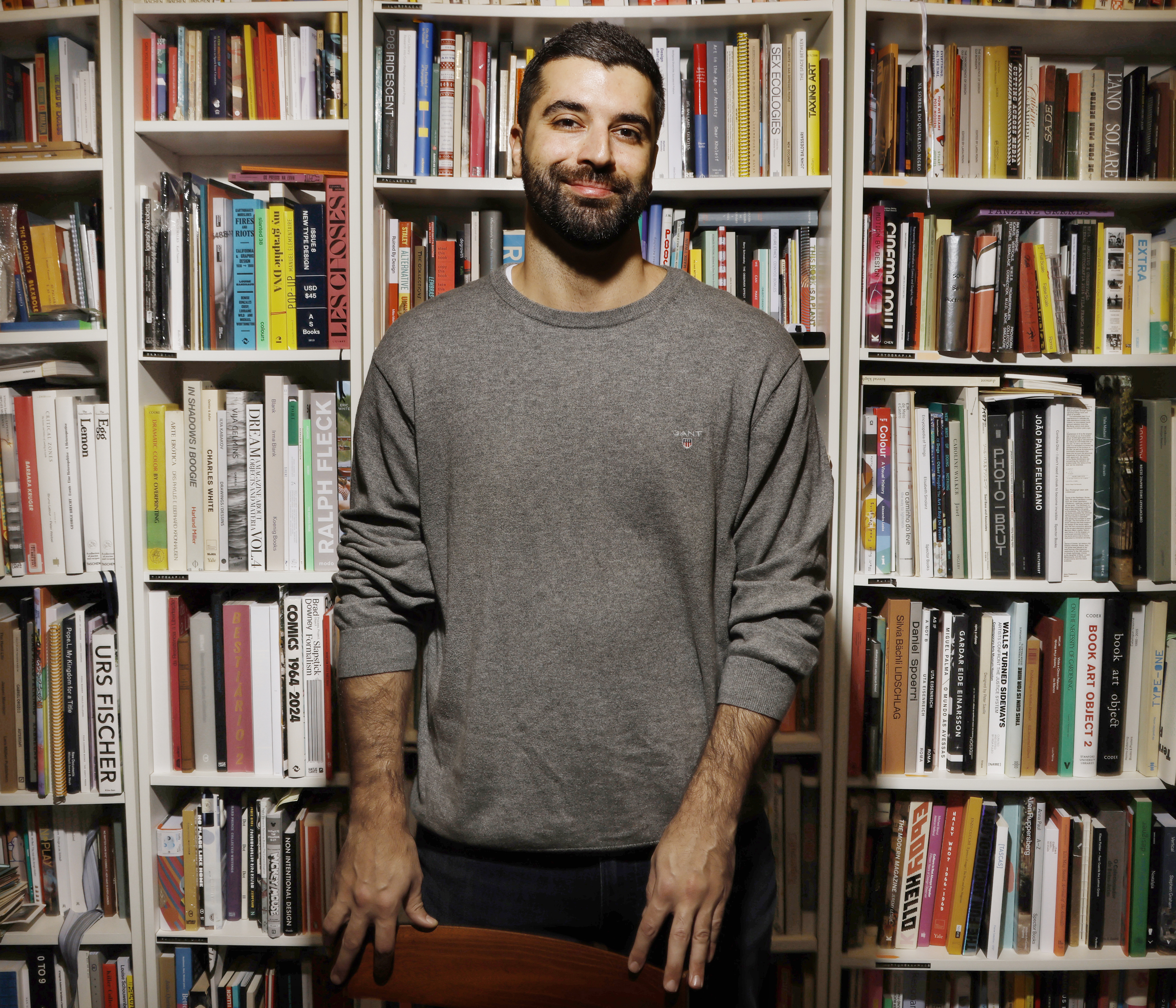
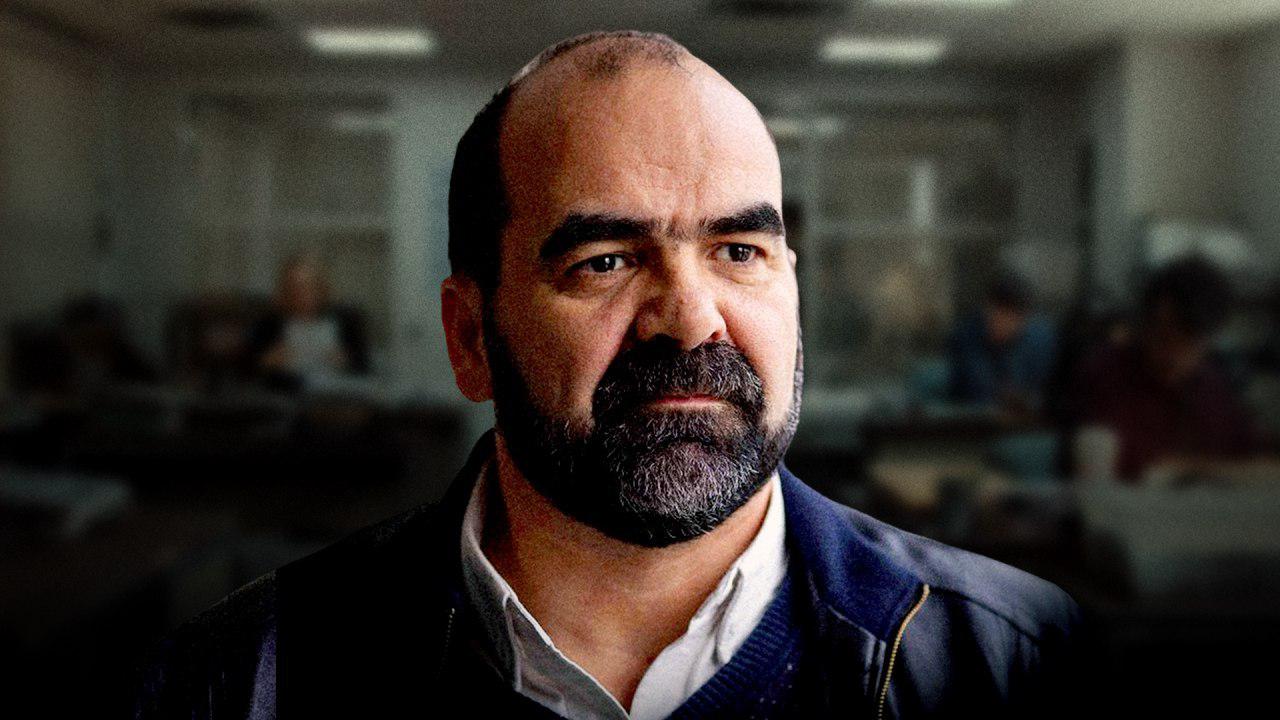
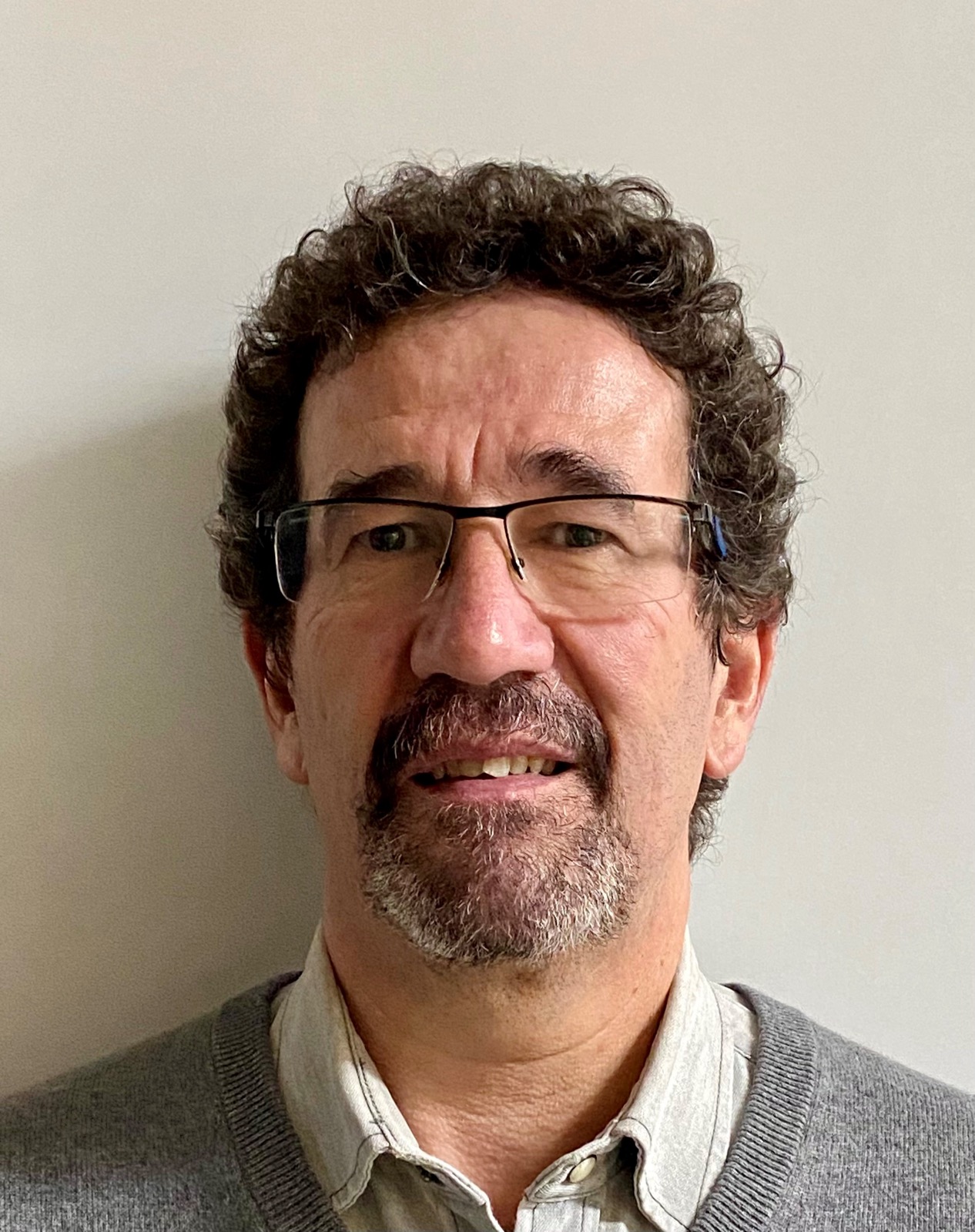
Pedro Coelho is an investigative journalist at SIC. He began his career in 1988.
He is one of the most award-winning journalists in Portugal. He has won two Prémios Gazeta, received the Assembly of the Republic medal commemorating the 50th anniversary of the Universal Declaration of Human Rights, and was most recently honoured with the Mário Mesquita career award.
In 2024, he presided over the 5th Congress of Journalists, which marked the 50th anniversary of democracy and press freedom.
He has been a professor at the Universidade Nova de Lisboa since 2006. The alliance between academia and journalism has defined his career.
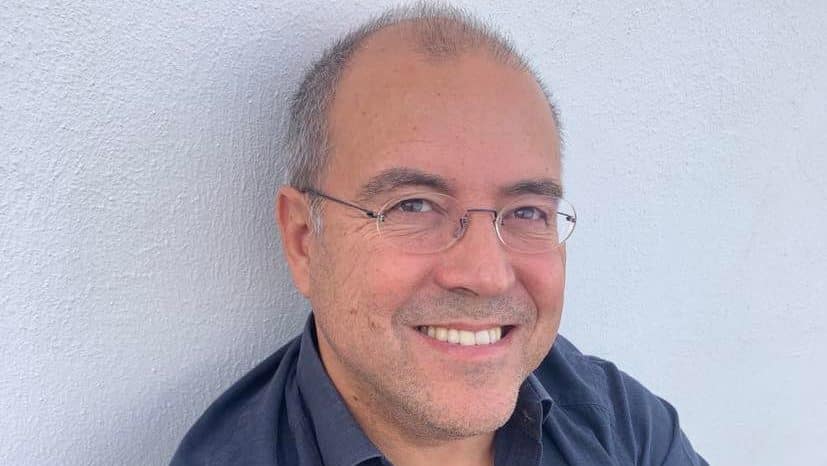
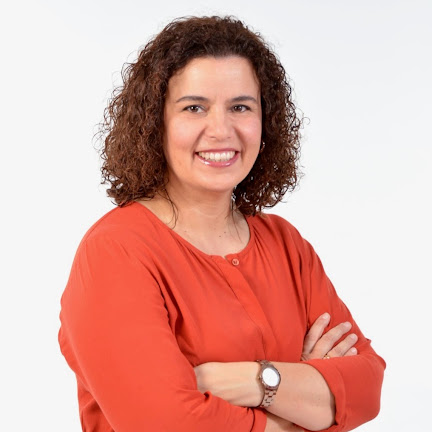
Marisa Torres da Silva is a Full Professor at the Faculty of Social Sciences and Humanities of the Universidade Nova de Lisboa, where she has been teaching since 2006.
A researcher at ICNOVA, in recent years she has dedicated herself to studying hate speech and the presence of the far right in the online context.
She has published six books and 28 peer-reviewed articles and, in addition to dozens of other scientific publications, has presented nearly 100 papers at national and international conferences on various topics, including investigative journalism.
She was awarded, in 2018, the Santander Prize for the Internationalisation of Scientific Production at NOVA FCSH.
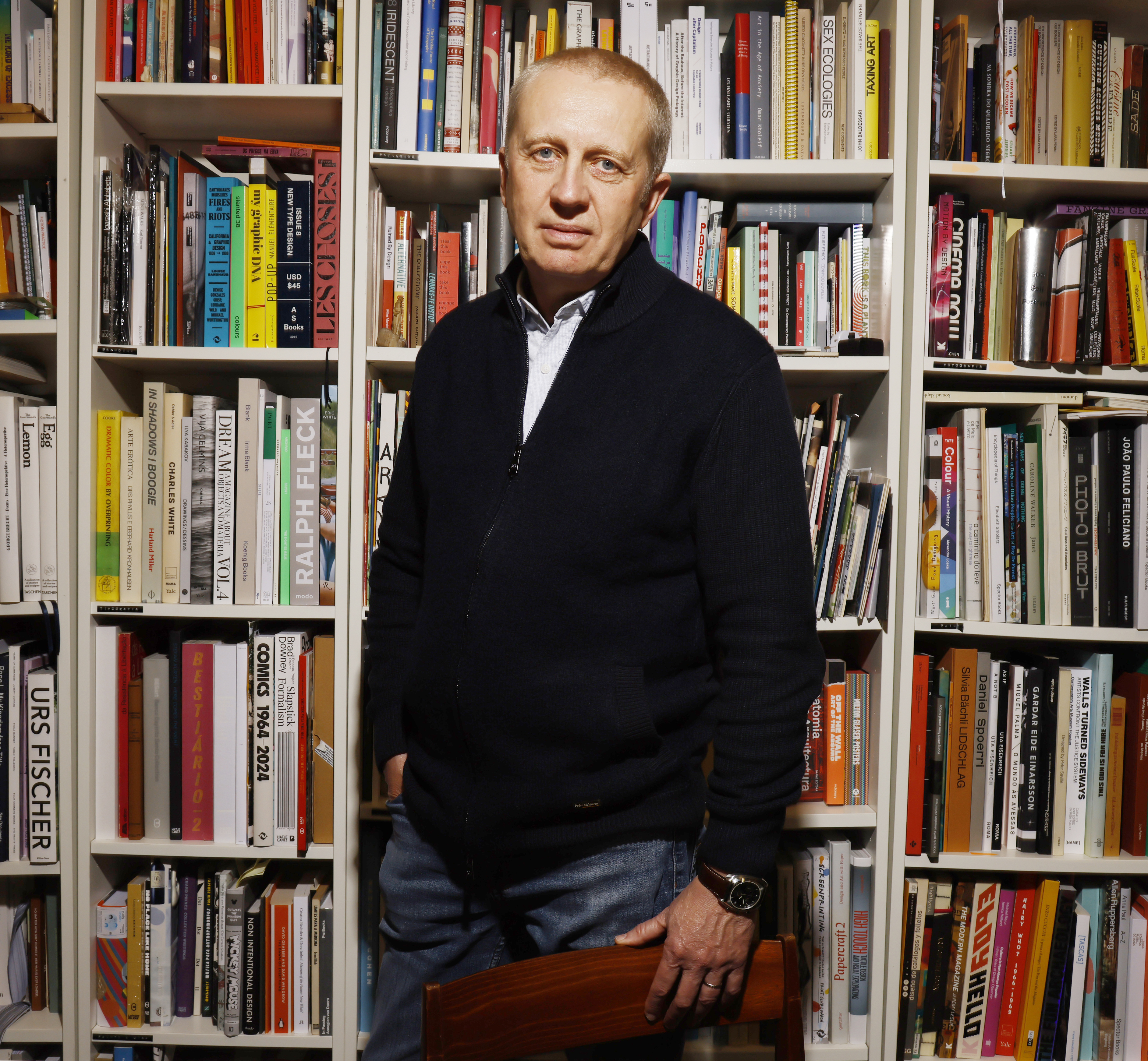
Paulo Barriga began his journalism career in 1984 in the "free radio" movement.
His career is intertwined with the history of Portuguese journalism over the past 30 years: he joined newsrooms and published work in Grande Reportagem, O Independente, Visão, Expresso, Diário de Notícias, Sábado and Público.
He received several awards, notably from UNESCO, the Olympic Academy and the European Commission. He was a finalist at the True Story Awards, the first journalism prize with a global focus.
He was director of Diário do Alentejo, the only publicly owned newspaper in the country.
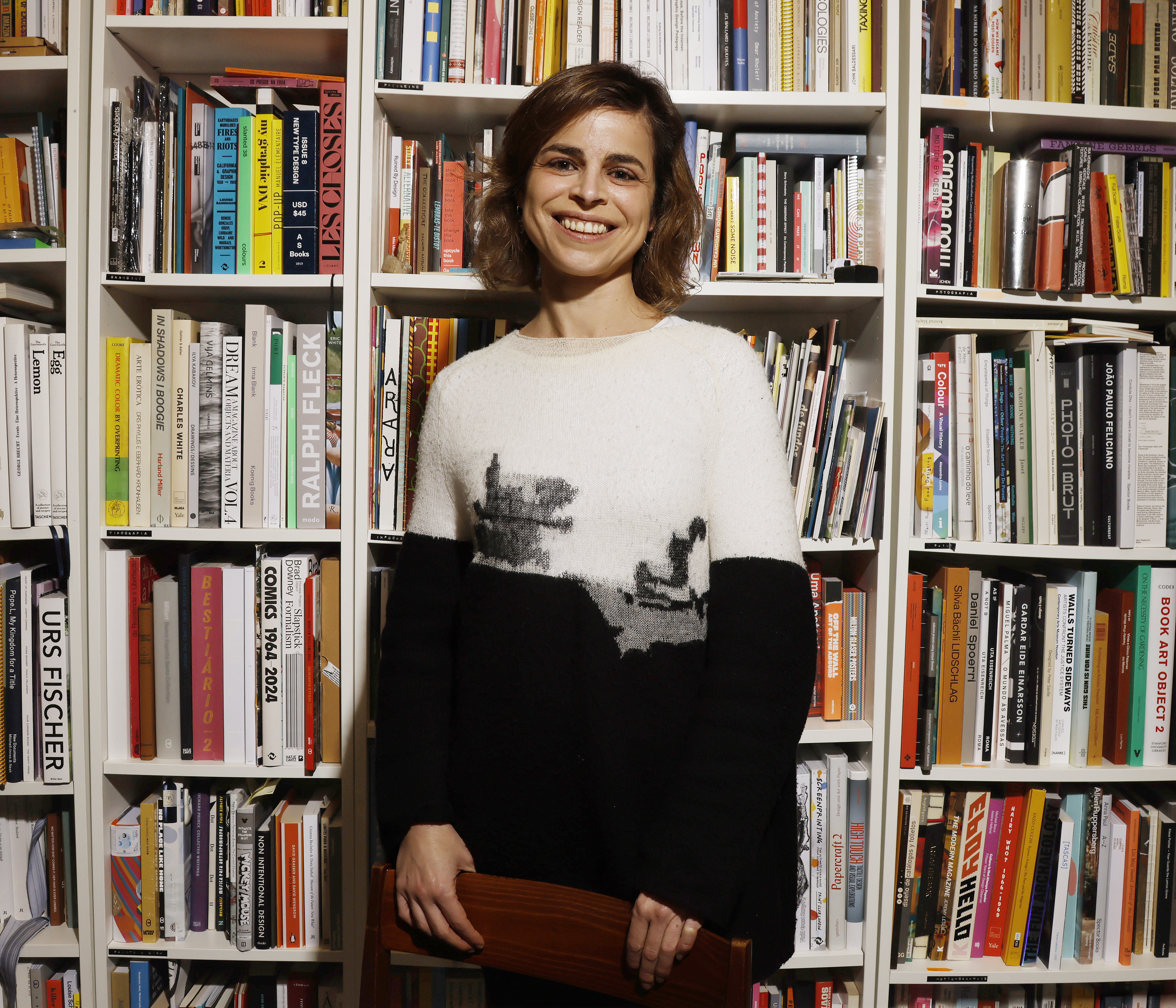
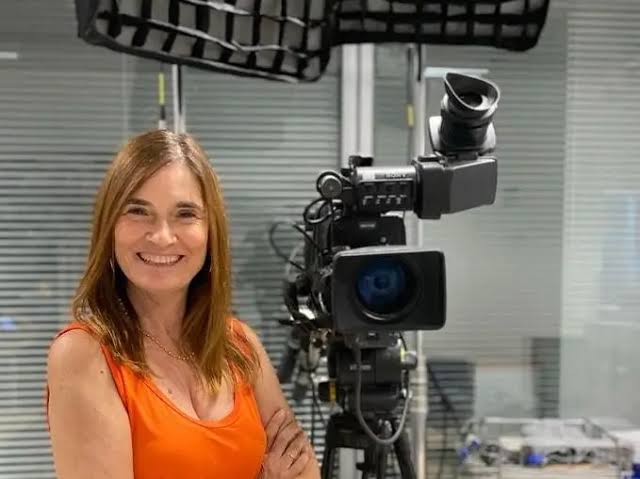
Filipe Teles has been an investigative journalist since the age of 27.
Despite his short career, he has already been nominated for several national and international awards.
In 2023, together with Pedro Coelho, he was among the 12 finalists for the Daphne Caruana Galizia Prize for Journalism, the most prestigious in Europe. No Portuguese team had ever reached this stage of the award.
He studied data journalism at the Lede Program at Columbia University's Graduate School of Journalism.
He is also a doctoral student in Communication Sciences at the Universidade Nova de Lisboa. He will be the first journalist to hold a doctorate in Investigative Journalism in Portugal.
What people say about CPJI
"It is fundamental to protect and promote investigative journalism and the training and qualification of journalists. The new public space that is being built cannot dispense with the quality of editorial or investigative processes resulting from the principles and ethical rules on which journalism is based. Although journalism may come to take place in new media and in new forms, it cannot dispense with these fundamental principles that have always governed it. For the solidity of these principles and their survival, a strong relationship with science is also fundamental. I can only wish the greatest success to a project that starts from these premises."
"The quality of democracies depends on the freedom that journalists must have to investigate and give us the 'other side' of reality, to awaken us to topics we don't know about, to give voice to those who are silenced. This project is a beacon of hope in times when attacks on press freedom — and therefore on humanist and democratic values — are multiplying."
"In times of disinformation and fake news, supporting independent investigative journalism is a civic imperative to protect democracy, the rule of law and the values of truth and decency."
The former President of the Republic supports CPJI, considers this a "Very interesting initiative", promising to attend events that will be organised by CPJI.
"This initiative seems to me essential for journalism to be able to exist again in Portugal, not as a megaphone for opinions, but as a promoter of the truth and facts that are hardest to find."
"Defending and promoting investigative journalism means defending and promoting scrutiny of all powers. Without it, society is defenceless against authoritarianism, arbitrariness, negligence, incompetence or corruption. CPJI can be an anchor so that this serious scrutiny, which demands time and resources, does not succumb to the journalism crisis, which accompanies the crisis of democracy."
"Never as now has it been so important to defend journalism and what is fundamental in journalism, which is investigative journalism. In a time when democracies are threatened by the spread of disinformation on social networks and in media outlets that are captured or serving private interests, or hostage to a commercial logic that only seeks audience, or controlled by various governments or simply weakened and diminished in their capacity to inform, it is necessary to find new paths for journalism. A project like this from CPJI, which is based on journalistic investigation and is anchored in academia, must be supported by all of us who defend a free, independent and rigorous journalism, indispensable for a democracy that wants to be stronger every day."